EDITORIAL

Volume.14

issue 2026 Oct.

〈ビームス プラス〉のものづくりは、洋服を作ったらそれで終わりではありません。
みなさんのもとに届いた後、日々の暮らしの中でどのような表情を見せていくのかを思い描いています。
“Threads of Authenticity(細部に宿る本物)”第4弾では、「糸作り」、「生地作り」そして「縫製」に焦点を当てます。
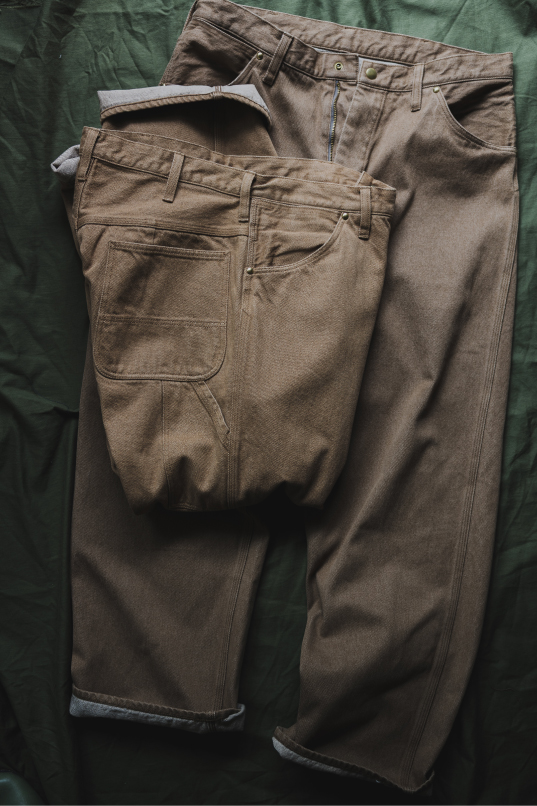
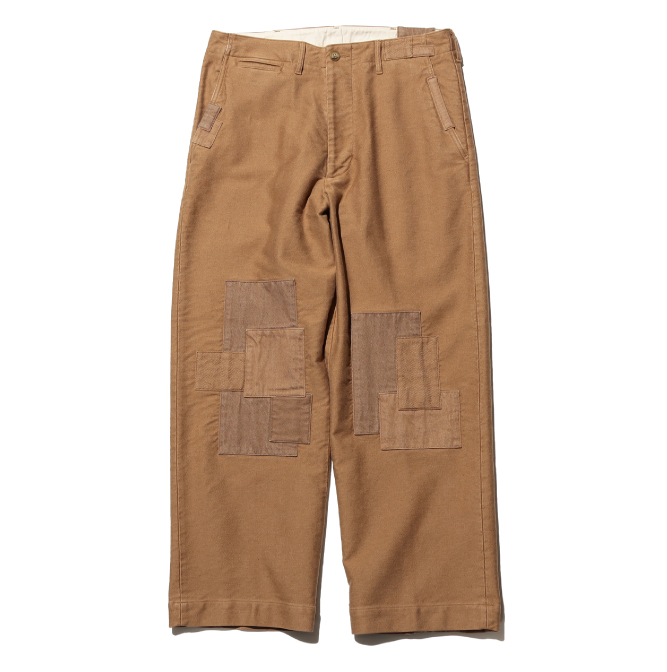
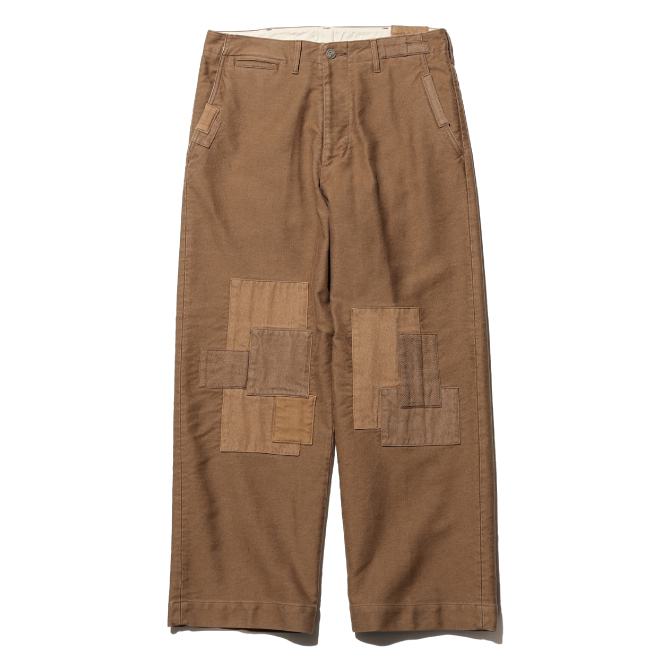
紹介するのは、カラードコットンとも言われる茶綿をつかったジャケットとパンツの旅路。
〈ビームス プラス〉が今注目する、その天然の色合いと風合いを活かすために、
私たちは糸作りから、細部に宿る本物を追求しています。
効率だけでは測れない手間と技術を重ね、着る人の心を長く踊らせる洋服へと仕上げていくのです。

For BEAMS PLUS, making clothes does not end with the finished garment.
We imagine how their character will evolve once they reach you and become part of your everyday life.
The fourth installment of “Threads of Authenticity” focuses on yarn making, fabric making, and sewing.
We follow the journey of a jacket and trousers made from brown cotton, also known as colored cotton.
Drawn to its natural color and texture, we seek to bring out these qualities, pursuing authenticity in every detail, beginning with the yarn itself.
Through care and skill that cannot be measured by efficiency alone,
we create garments that will delight their wearers for years to come.
( 1 of 3 )

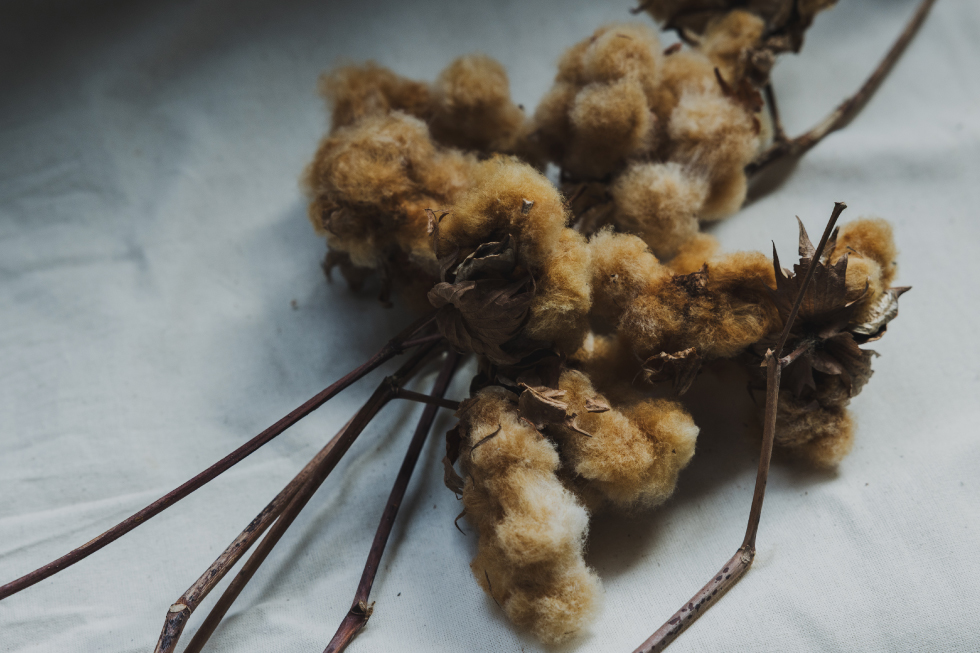
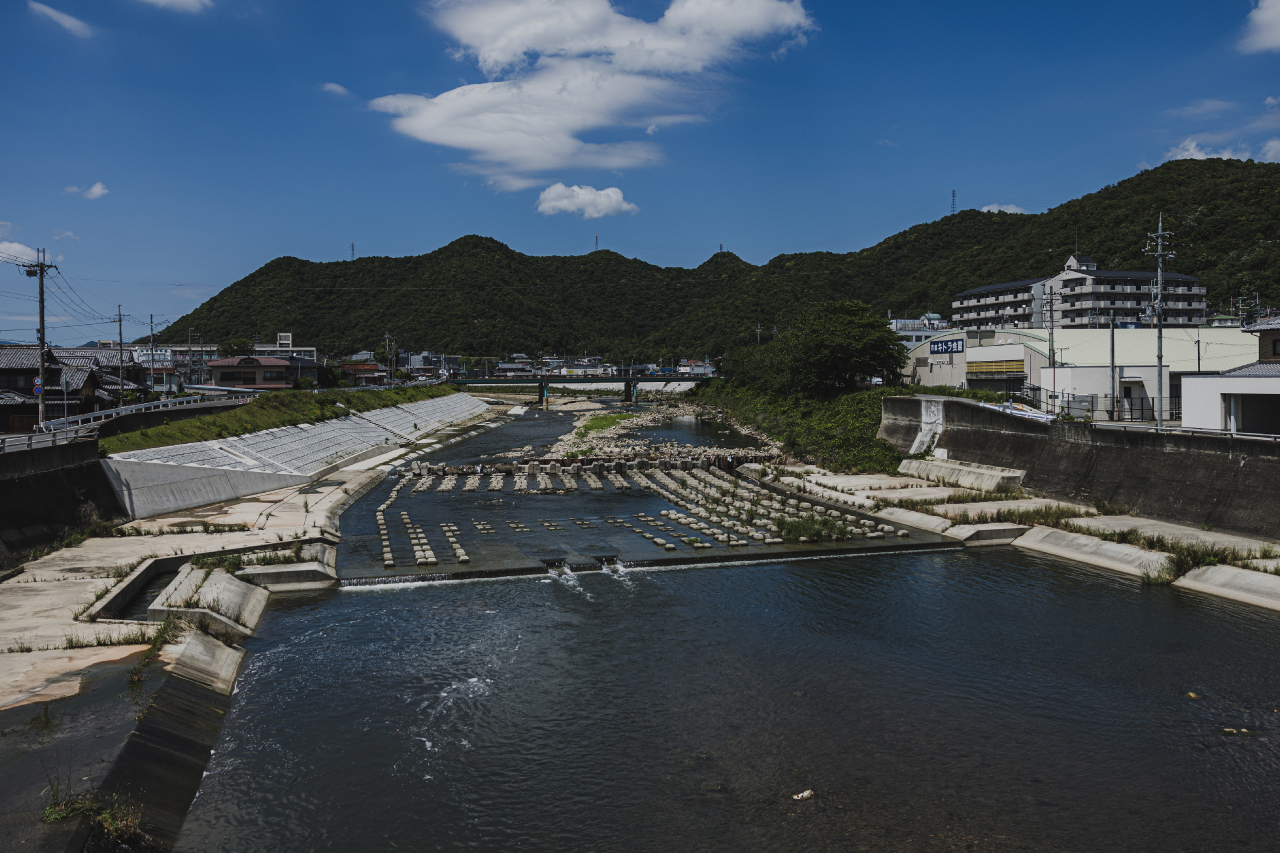
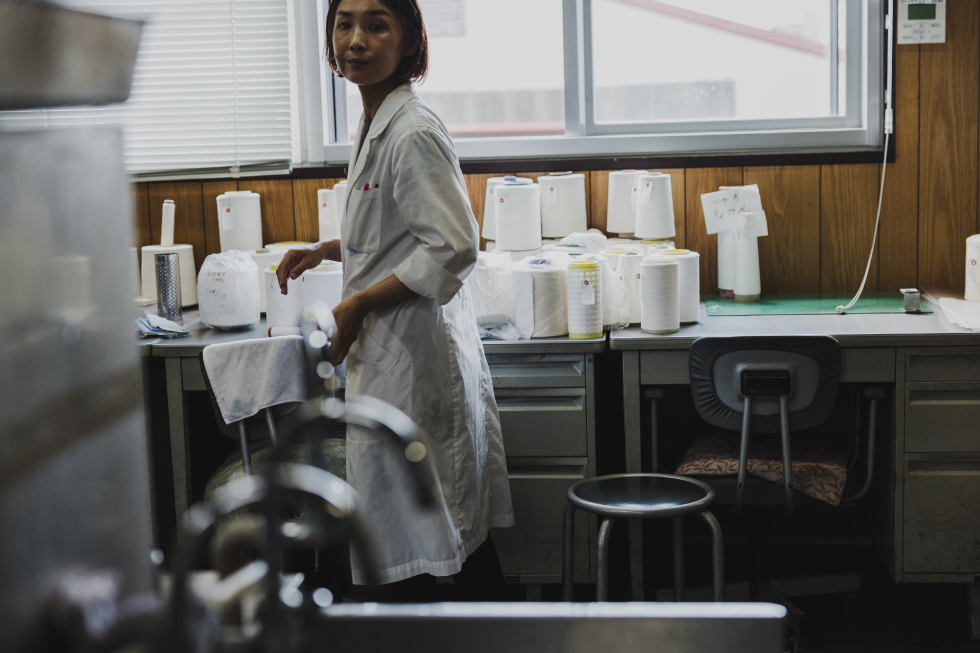
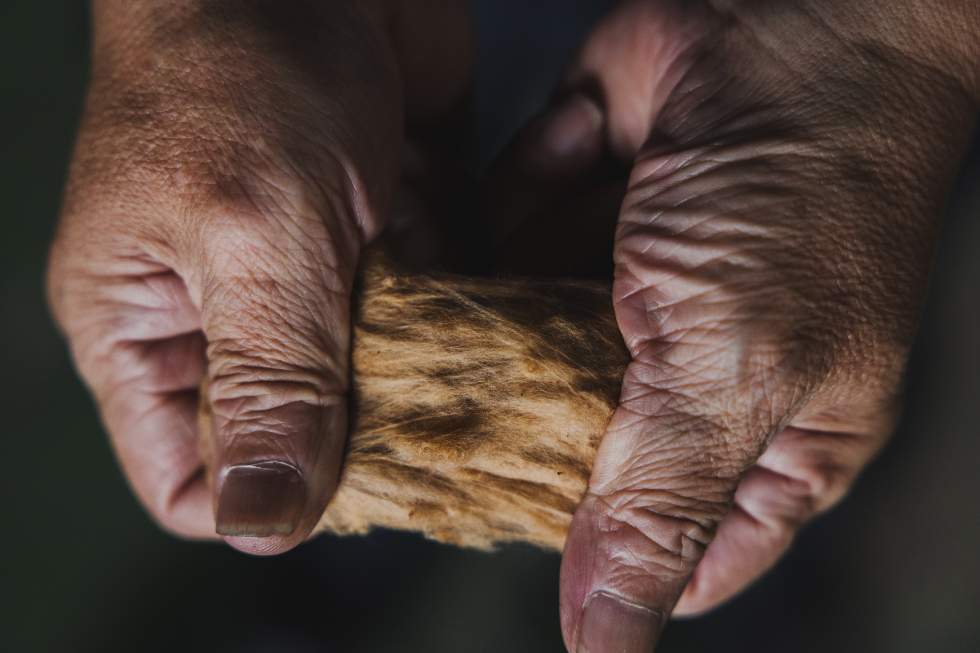
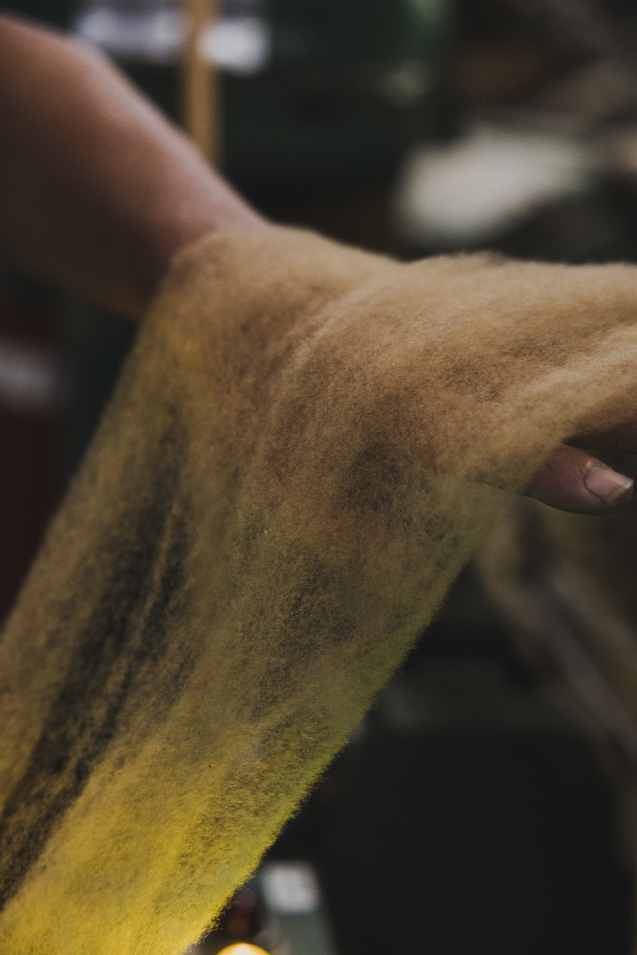
This journey begins at a spinning mill in Hannan, a short distance from Kansai International Airport. Founded in 1918 during Japan’s Taisho era, the mill has been making yarn for more than a century and now specializes in 100% cotton yarn. The brown cotton selected by BEAMS PLUS for these pieces was organically grown in New Mexico, USA. We learned that the people at the mill have built direct relationships with local farmers and source the cotton themselves.
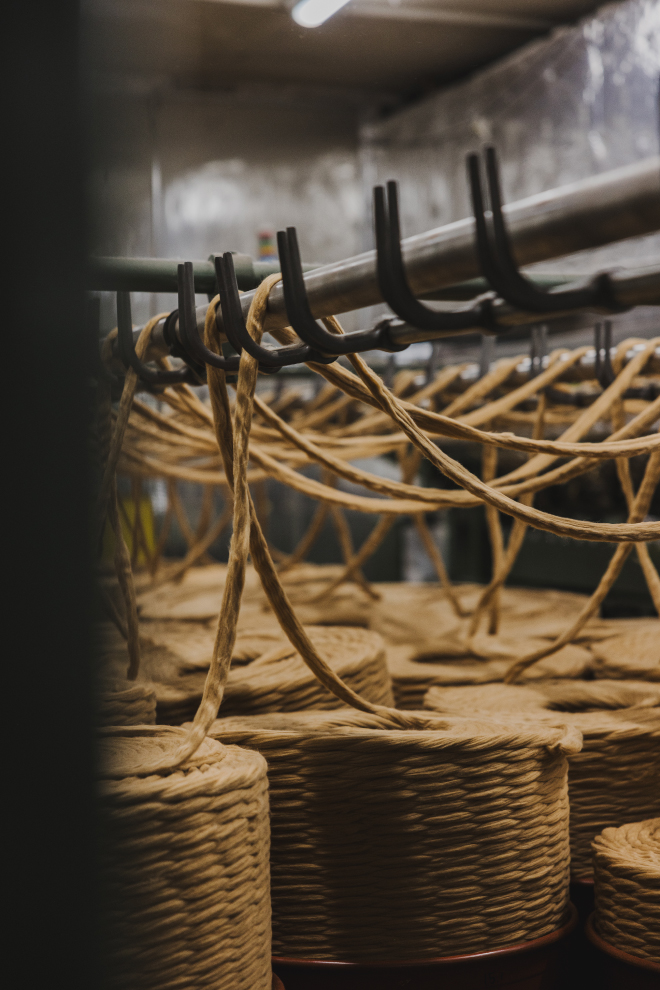
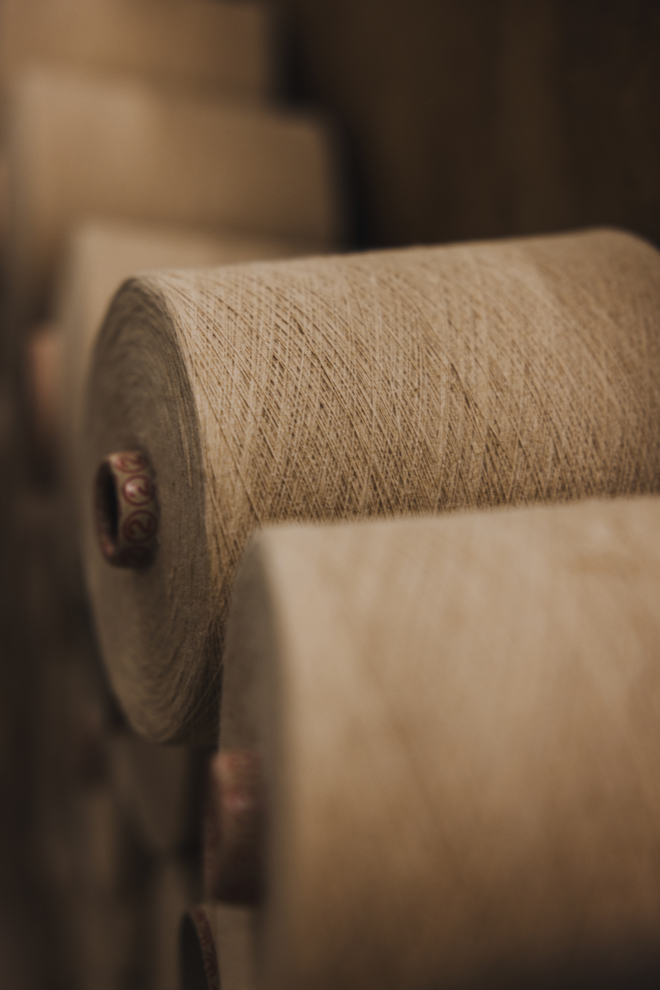
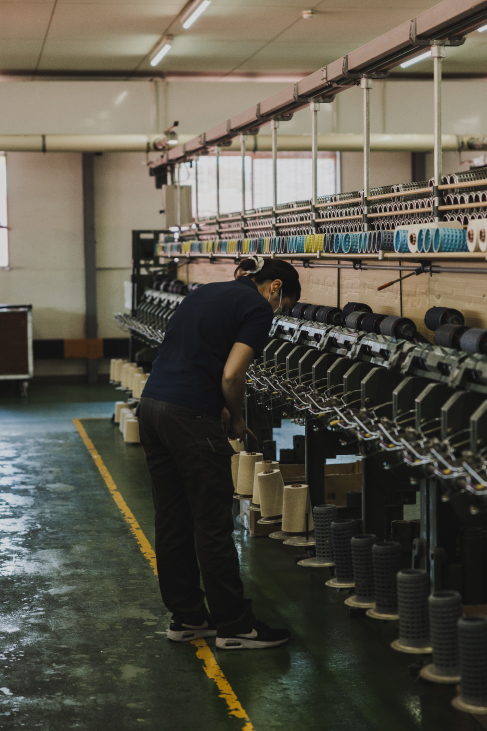
Their approach to production resonates with our own approach to making clothes. Rather than measuring craftsmanship solely in terms of efficiency, they look ahead to the relationship between the garments and the people who will wear them. Guided by the principle of working “carefully, slowly, and inefficiently,” the mill uses longstanding machinery throughout much of the production process. Why? Because spinning slowly, without increasing the speed of the machines, and carefully checking each stage helps preserve the yarn’s character—qualities such as fullness and warmth. Because there are yarns that can only be made here.
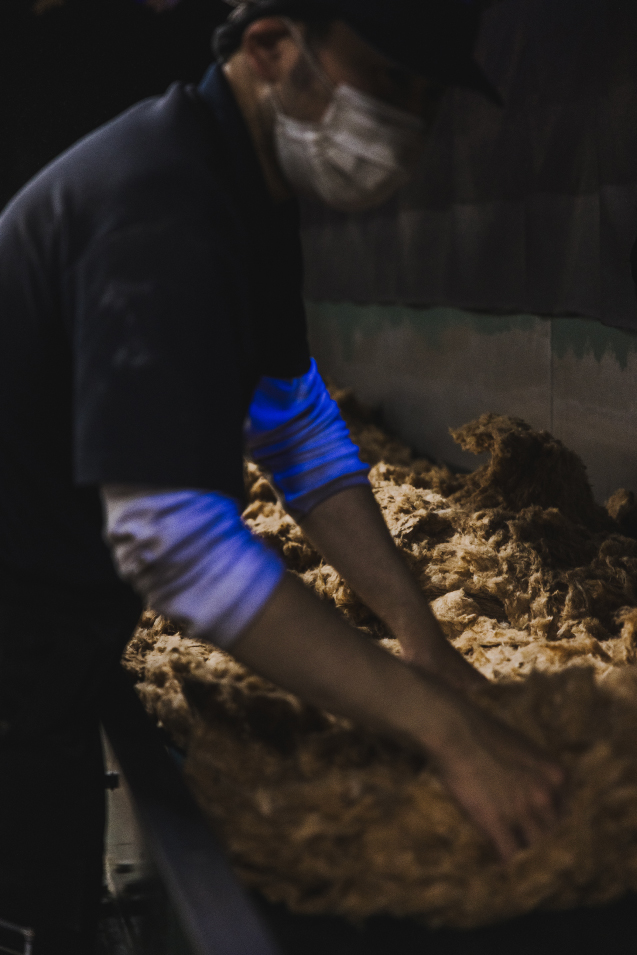
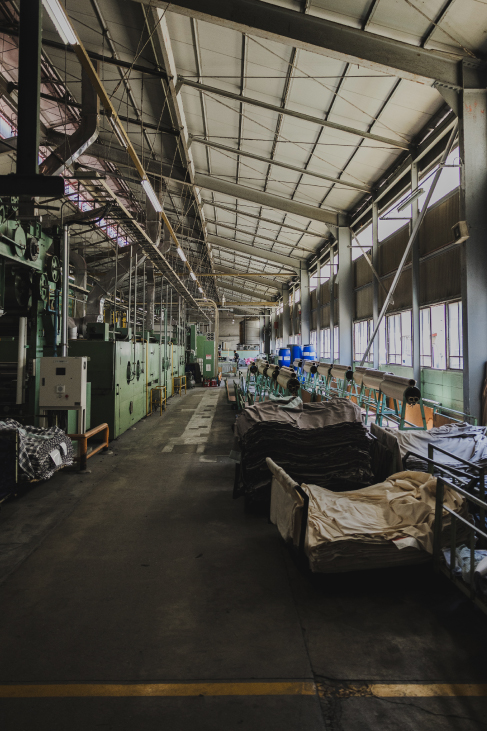
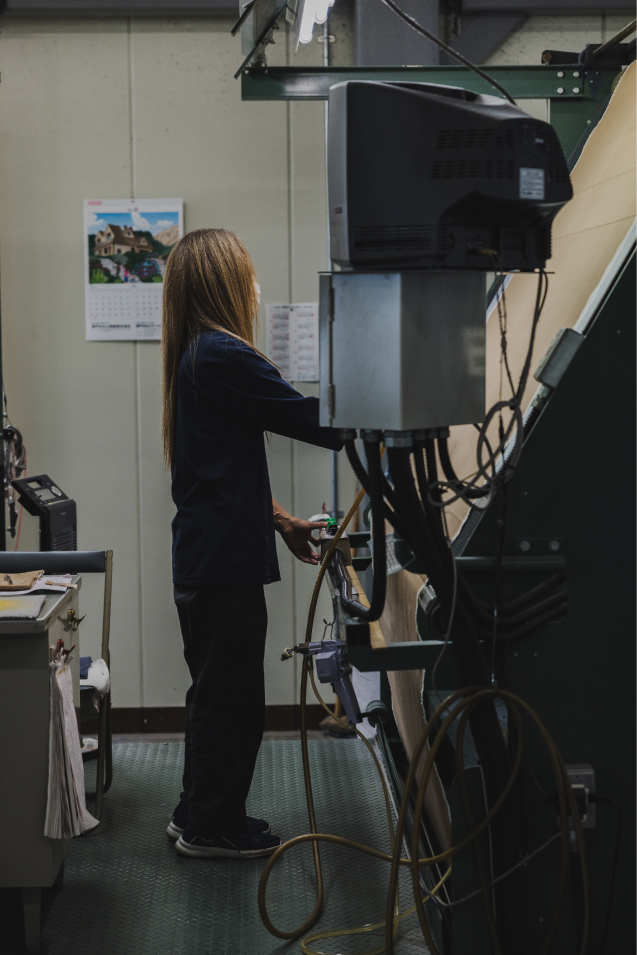
As we step inside the mill, the gentle scent of cotton drifts through the air. The first process we are shown involves removing leaves and other debris from the imported cotton and preparing it for the stages that follow. The machines slowly draw in the cotton, still rough and unrefined, while skilled craftspeople continually tend to it by hand. From there, it passes through a series of different processes, with a craftsperson’s hands involved at every stage, gradually taking shape as yarn.
Yet as we listen, it becomes clear that working slowly means more than simply taking their time. Making full use of the skills and machinery passed down to them, they continue to explore new expressions in yarn. This spirit, too, resonates with BEAMS PLUS. We share a commitment to cherishing the wisdom and techniques of the past while continuing to explore new ways of making things that speak to the way we live today.

( 2 of 3 )

The journey continues to Nishiwaki in Hyogo Prefecture, home to Banshu-ori, a weaving tradition with more than 200 years of history. Blessed with high-quality soft water suited to dyeing, the region has flourished as a center for yarn-dyed textiles. Unlike piece dyeing, where the fabric is dyed after weaving, yarn dyeing involves dyeing the yarn before it is woven. Combining yarns of different colors creates checks, stripes, and other patterns with rich depth of color. There is no dyeing stage in this project, so it is a shame we cannot share that process with you this time. Many of the checked fabrics we use at BEAMS PLUS are also made in this region, and we hope to introduce that side of the story on another occasion.
Making yarn-dyed fabric involves many stages: design, dyeing, sizing, weaving, and finishing. For generations, factories specializing in each stage have gathered in the region, working together to sustain its textile production. The town’s network of weaving mills once numbered nearly 2,000; recent statistics put that figure at 100. While there are fewer mills today, the region that once supported mass production is also developing new possibilities through high-quality fabrics made in small batches. The mill we visited brings together every function needed to make yarn-dyed fabric in one place, carrying out its work much like a town in its own right.
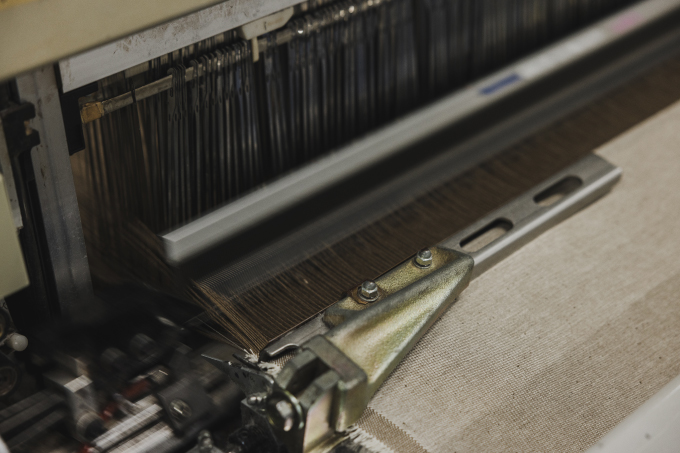
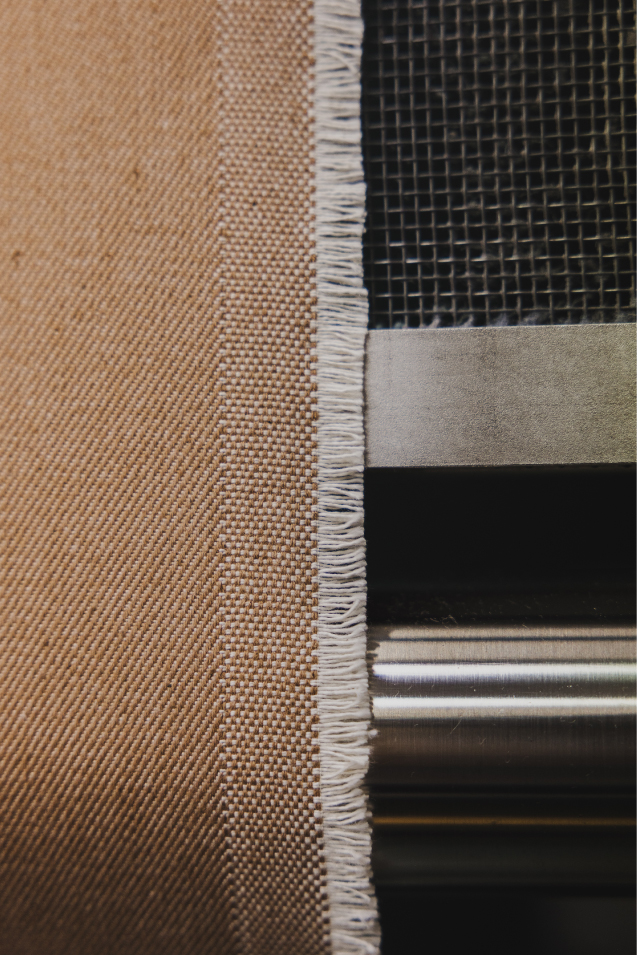
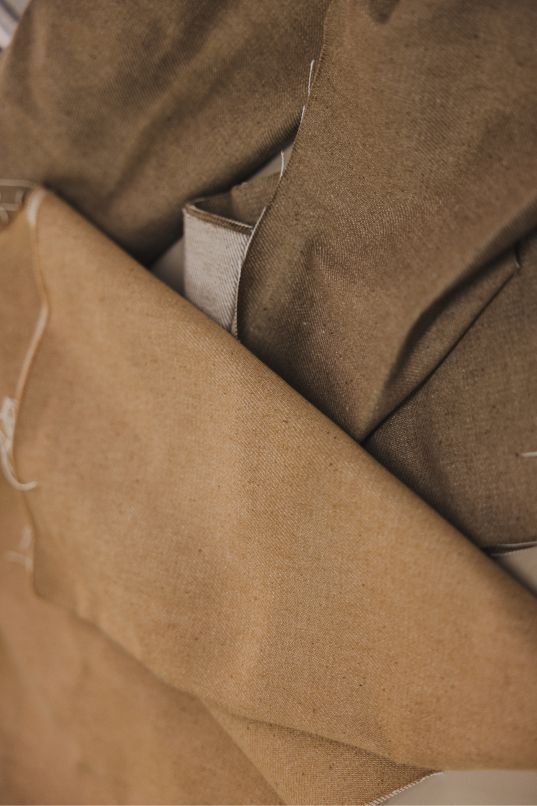
There is no dyeing stage this time, but the weaving expertise here is equally impressive. The denim makes full use of the brown cotton yarn’s natural character, giving it a rich, nuanced surface. The moleskin has been made into a smooth, durable fabric without any brushing. Both fabrics develop character with wear in a way that feels true to BEAMS PLUS. The softness and fluid drape that emerge with continued wear reflect the character of the slowly twisted yarn and the weaving expertise passed down through generations.
These fabrics are also made possible by people with a wide range of skills coming together in one region and working alongside one another over generations. We believe this is one of the strengths of Japanese craftsmanship. Whenever we drop by, there are specialists who know each stage of the process inside out.

( 3 of 3 )

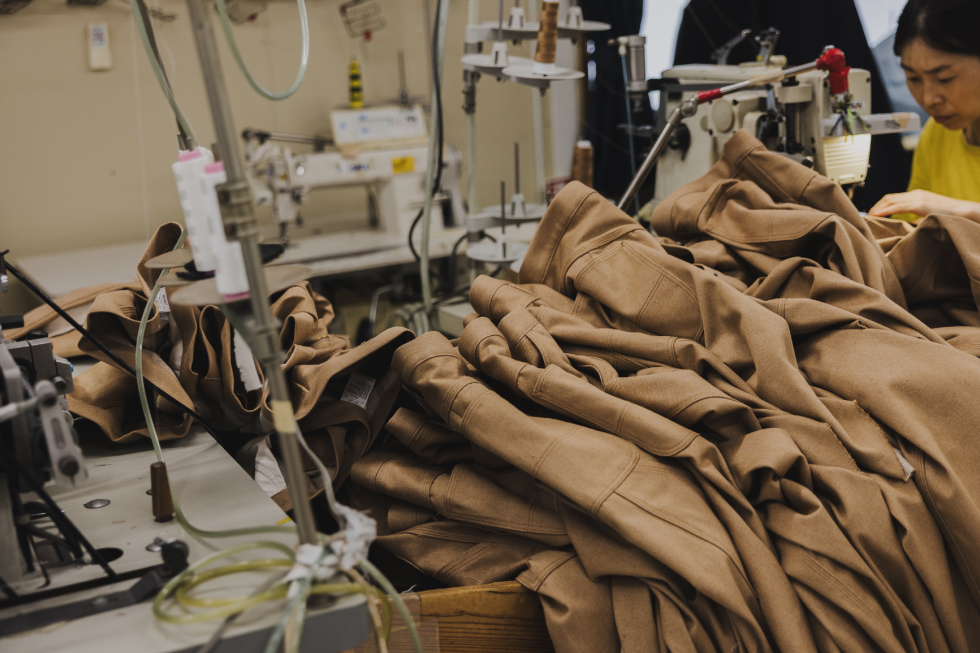
The fabric continues its journey west to Fukuyama in Hiroshima Prefecture. Here, as in the Banshu-ori region around Nishiwaki, factories large and small work together to bring garments to life. We visited one that specializes in making trousers.
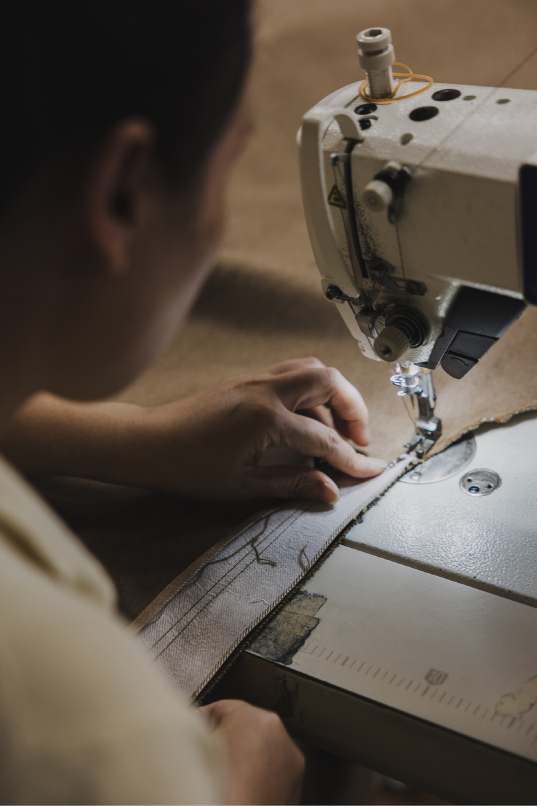
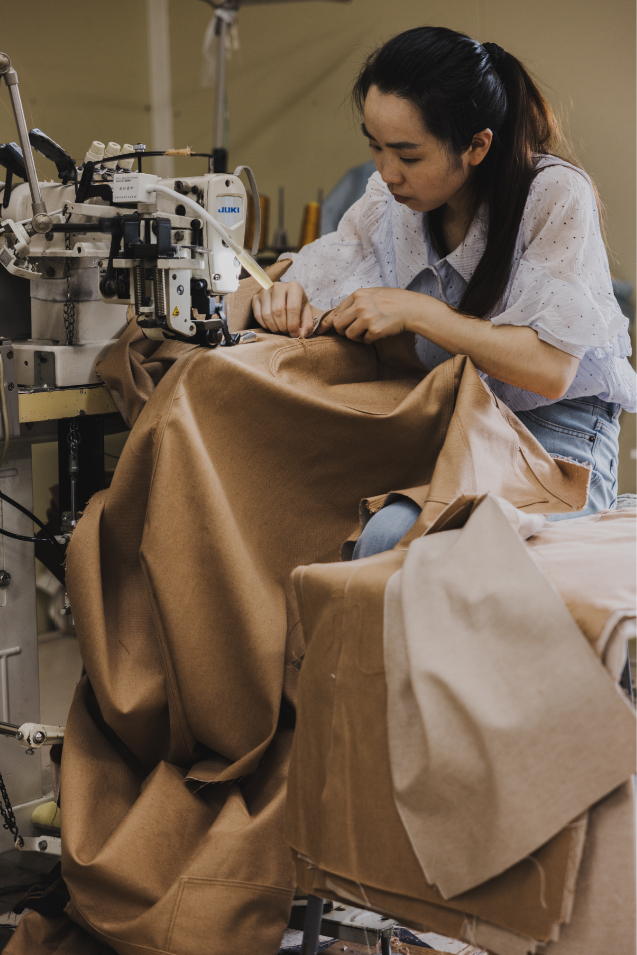
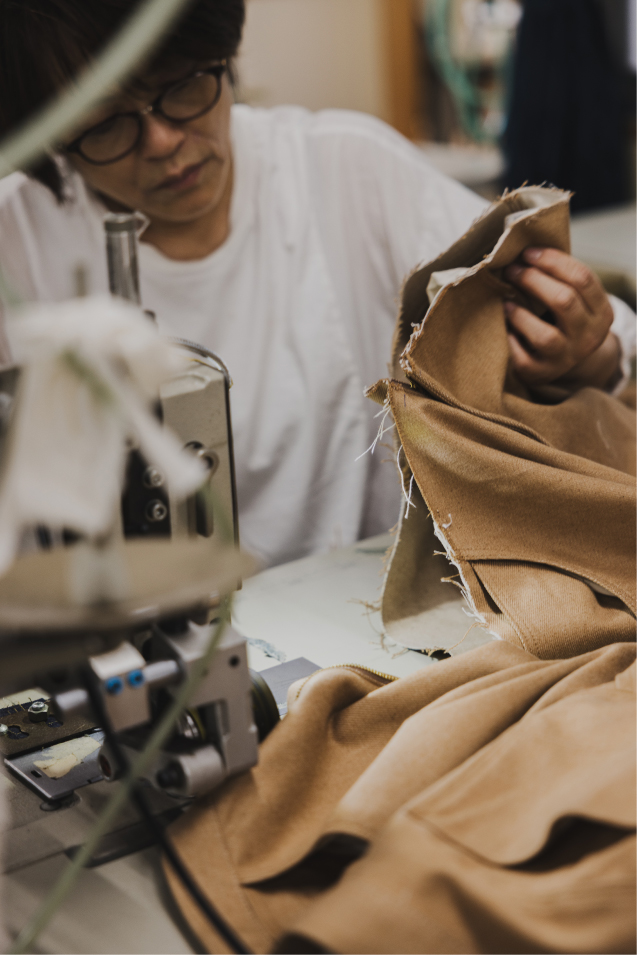
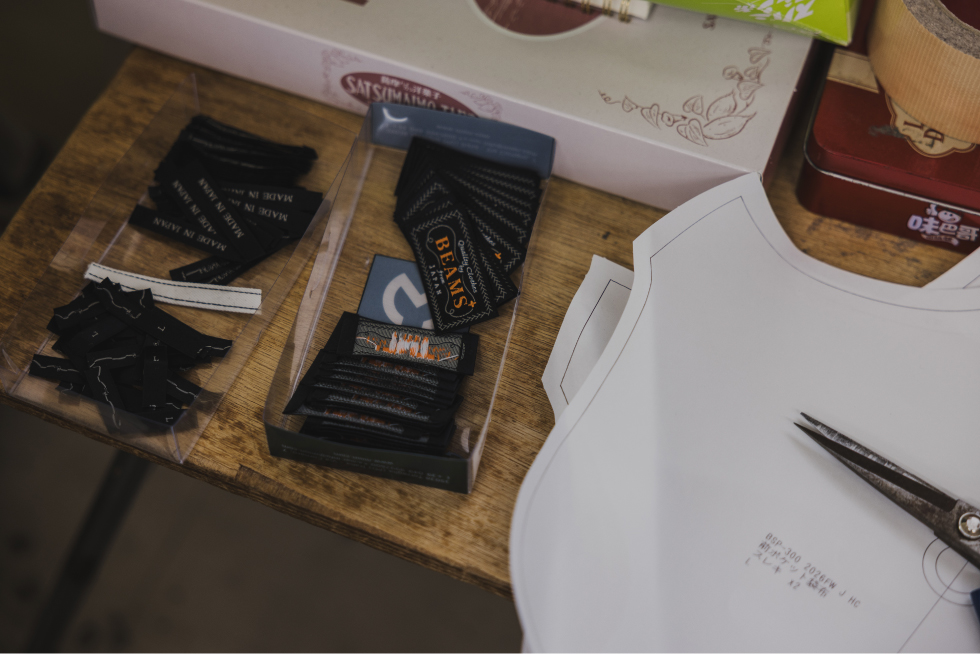
It was our first visit, and the speed of the work had the BEAMS PLUS team exchanging exclamations of amazement. Finishing the ends of the waistband, for instance, takes more than simply guiding fabric through a sewing machine. The craftspeople work by feel, maintaining precision with every movement. The same skill is evident where the seams meet at the crotch. Even as the needle passes over layers of thick fabric, the stitching stays even, each stitch securely formed and the seam kept on course—all at a remarkable pace. In this small factory, the craftspeople work in close coordination, each focused on the task at hand. Once the garments are complete, they travel another 30 minutes by car to an inspection company, where they undergo rigorous checks before reaching BEAMS PLUS.
From yarn to fabric to clothing, the brown cotton’s natural color and texture are carried through each stage. Behind every step are the care and skill needed to bring you garments that make the most of this natural material. Some of that care might be passed over if efficiency alone were the goal, yet it helps shape the character we come to appreciate with wear. From here, the brown cotton’s journey passes into the hands of those who wear it. Worn, washed, and worn again, the garments gradually change in character and find their place in everyday life.

ITEM INFO.

Jacket & Pants

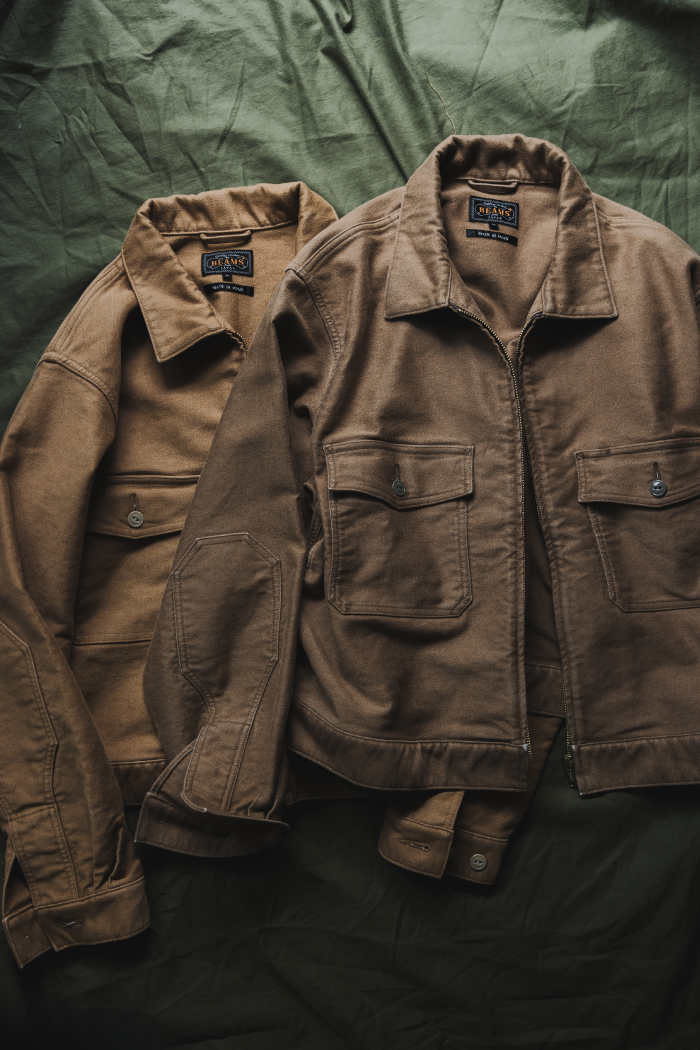
WORK Jacket OC Brown Moleskin
SIZE : S~XL
COLOR : BROWN
¥71,500 (inc. tax)

WORK Jacket OC Brown Moleskin
SIZE : S~XL
COLOR : D.BROWN
¥71,500 (inc. tax)

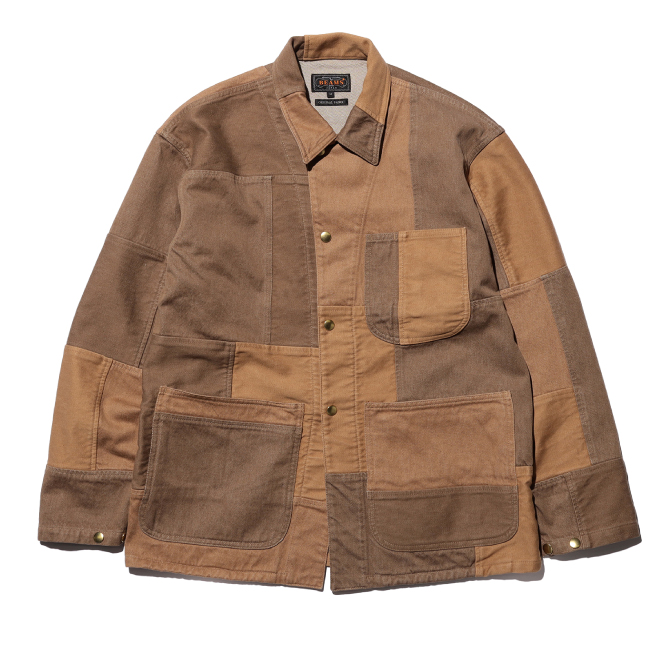
MIL Chore Jacket OC Brown Patchwork
SIZE : S~XL
COLOR : Patch Cloth
¥88,000 (inc. tax)

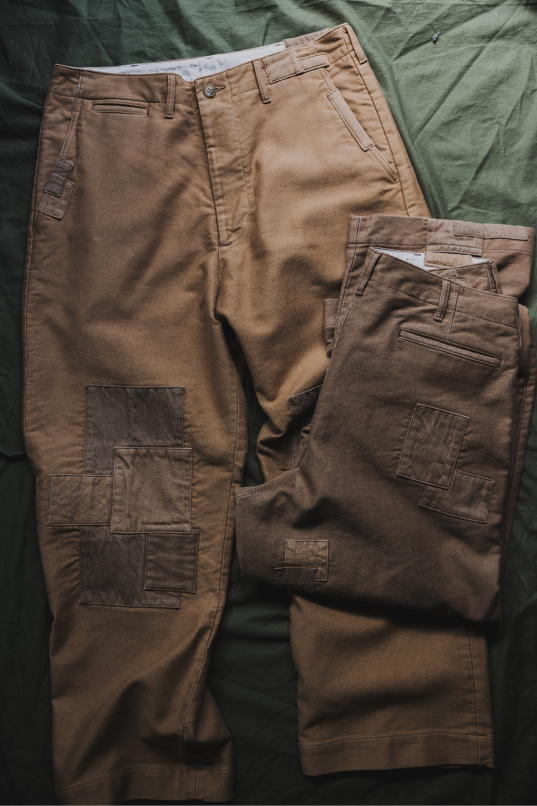
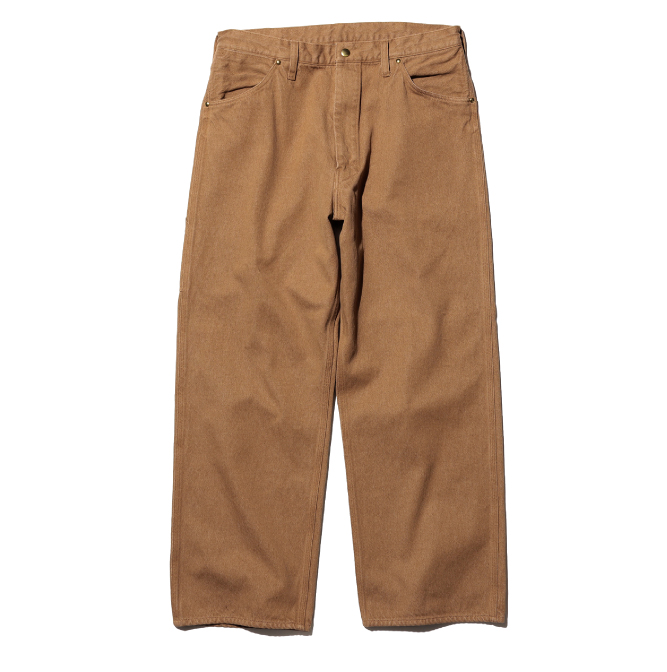
Painter Pants OG Brown Cotton Denim
SIZE : S~XL
COLOR : BROWN
¥60,500 (inc. tax)

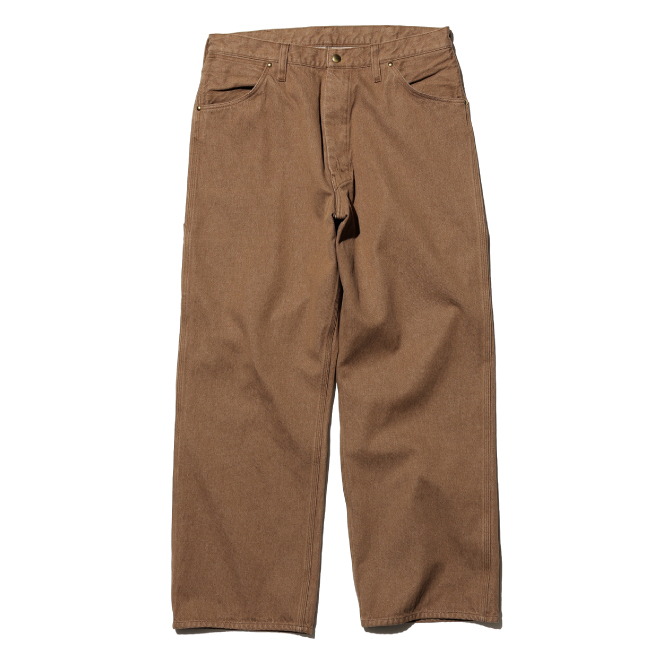
Painter Pants OG Brown Cotton Denim
SIZE : S~XL
COLOR : D.BROWN
¥60,500 (inc. tax)

MIL Trousers OC Brown Moleskin
SIZE : S~XL
COLOR : BROWN
¥82,500 (inc. tax)

MIL Trousers OC Brown Moleskin
SIZE : S~XL
COLOR : D.BROWN
¥82,500 (inc. tax)